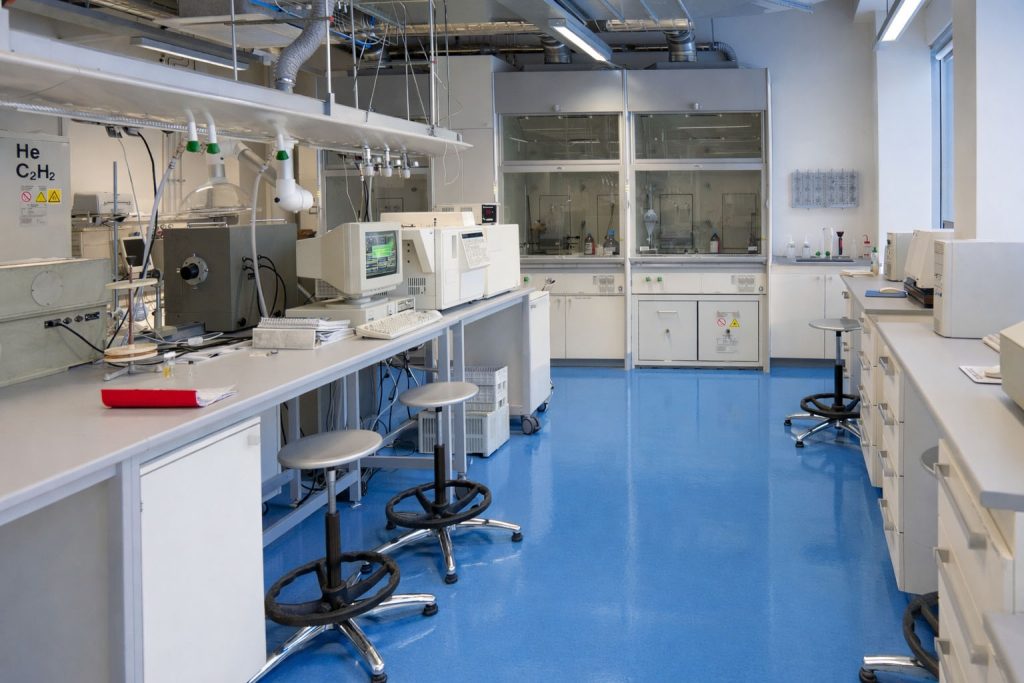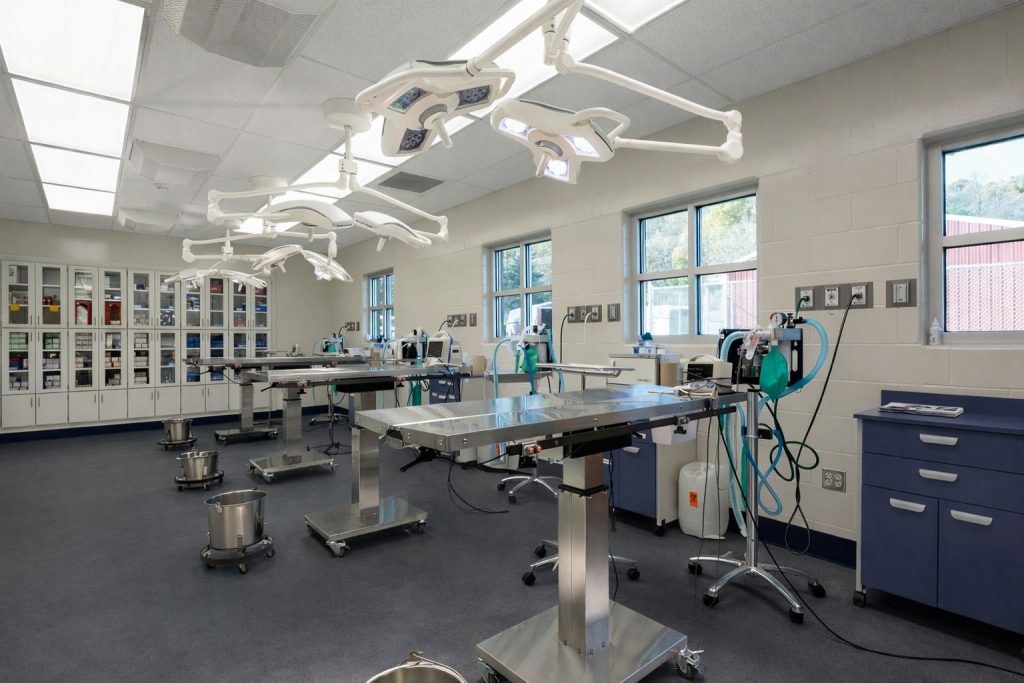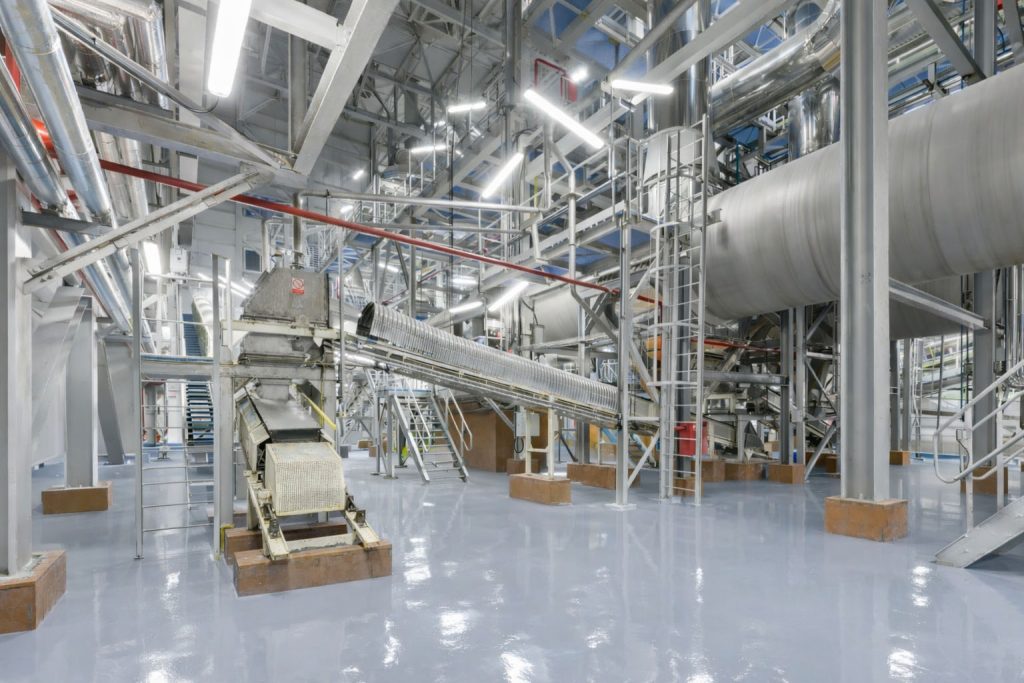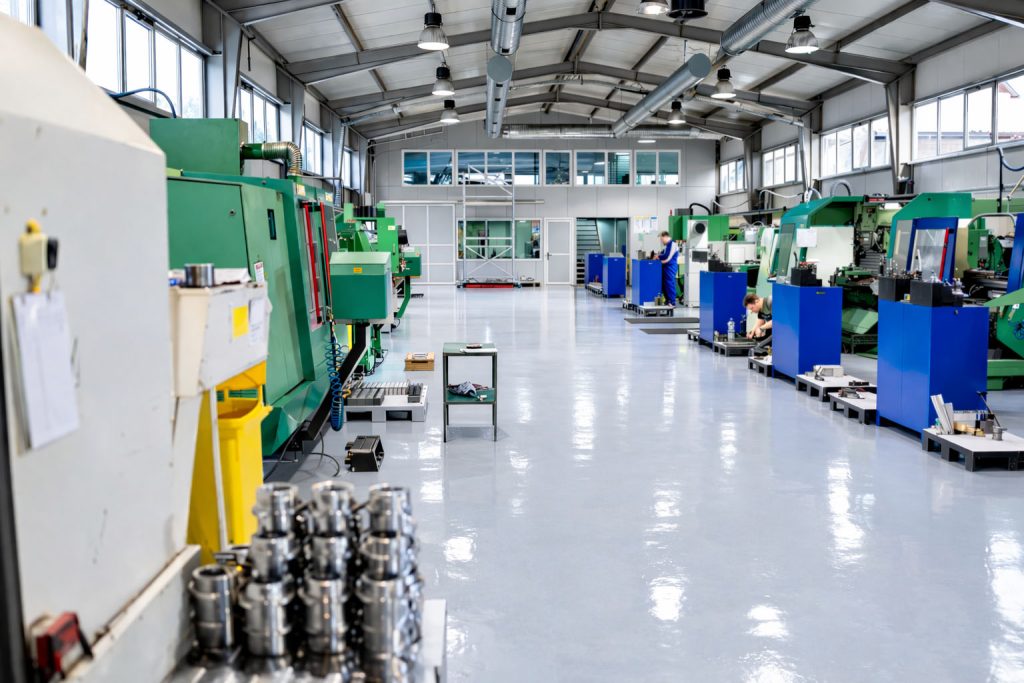
CEF Industrial Floor Coatings builds slope solutions for Ohio facilities where standing water creates safety, sanitation, and maintenance problems. Proper drainage is foundational—without it, even the best coating system struggles. With owner-led planning, we design slope transitions that guide water to drains while supporting your operational needs. The result is a floor that drains better, cleans easier, and performs longer in wet-process environments.
Get a Quote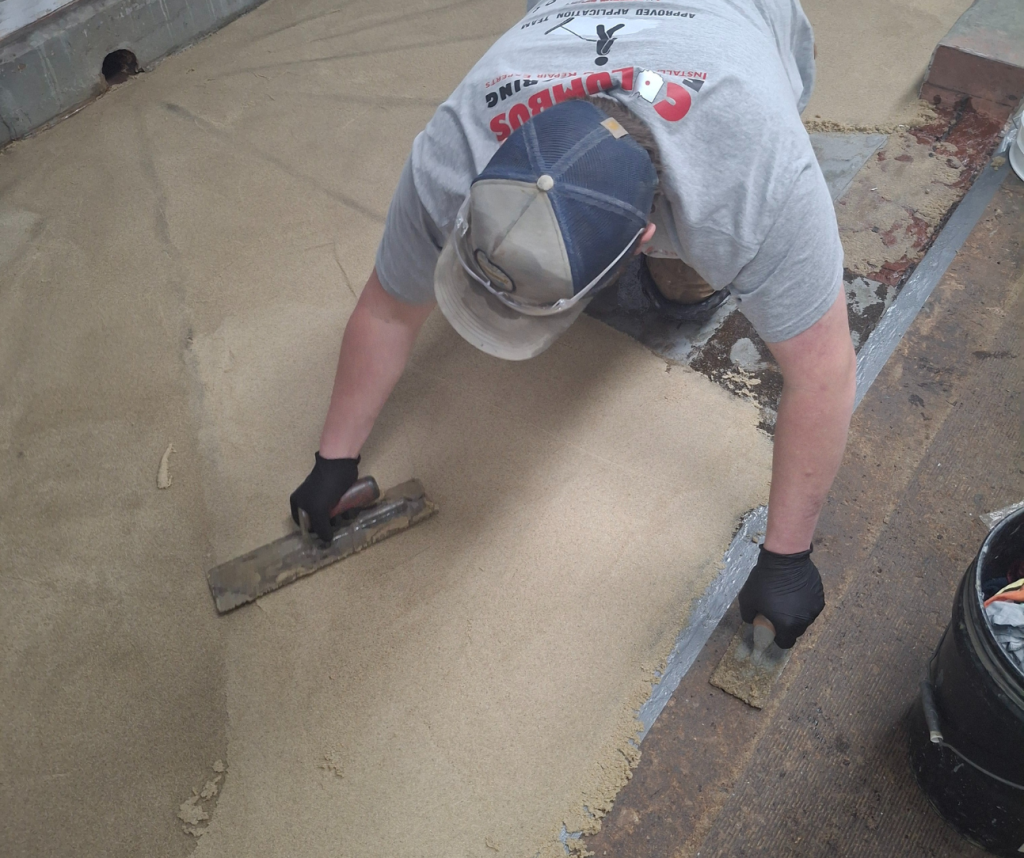
Slope work can seem deceptively simple. But your concrete has to move water properly, support sanitation, and perform under daily production demands. At CEF Industrial, we evaluate drainage patterns, substrate conditions, and operational needs to build the right slope solution for the space, whether that means correcting ponding, improving flow to drains, or preparing the floor for a new resinous system. By planning the work carefully and sequencing installation around your facility’s needs, we help solve drainage problems without creating unnecessary downtime.

Better Drainage, Less Risk
Ponding water leads to slip risks, staining, and accelerated wear. CEF designs slope planes that actually move water toward drains instead of hiding problems under coatings. We focus on practical geometry that works in real washdown conditions. Better drainage means safer floors and fewer cleanup battles.

Integrated Slopes that Perform
Slope work must integrate with the coating system that follows, especially in industrial environments. We build slopes using compatible materials and preparation methods so the next layers bond correctly. That reduces cracking, delamination, and premature failures. Your final floor performs as a complete system, not disconnected steps.

End to End Expertise
Drainage details are easy to get wrong when nobody owns the plan end-to-end. Our team approach keeps layout, pitch, and drain tie-ins aligned with your facility reality. We verify slope before final coatings so you donu2019t discover problems after cure. Thatu2019s how you avoid expensive rework.
Would you like for us to give you a Slope Work quote for your facility?
Please Give me a Quote!While every job is unique, careful & planned preparation is critical to ensuring your floors come out just right. Here are a few of the steps we take to ensure your floors endure.

Site Assessment
Slope work begins with understanding where water is collecting, how the space is cleaned, and where drainage needs to improve. Site assessment helps identify the real floor geometry problems before corrective work begins.
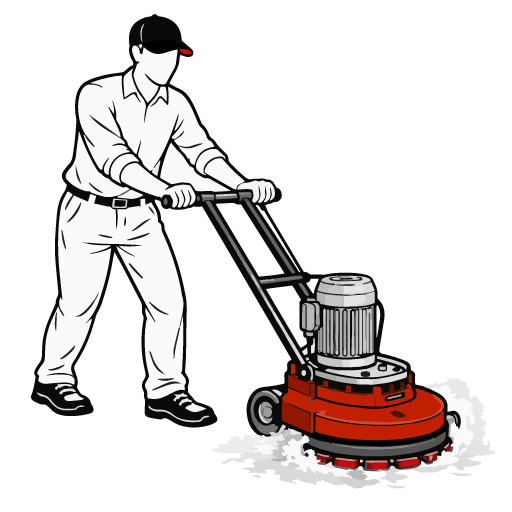
Diamond Grinding
Mechanical grinding prepares the slab by removing weak surface material and opening the concrete for better bond strength. This step is essential because slope work must hold up as part of the overall floor system, not just look correct on day one.
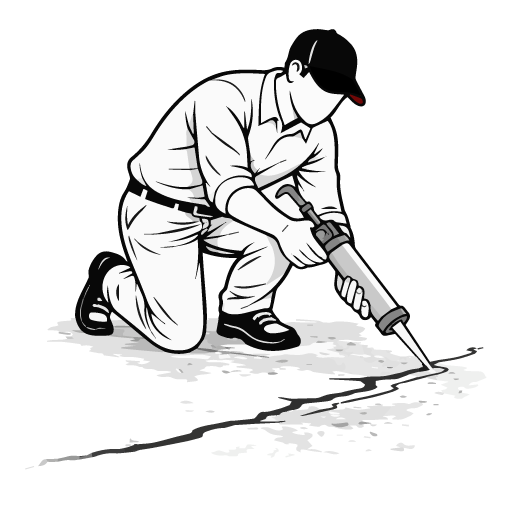
Crack & Joint Repair
Repairing cracks and joints before slope work helps stabilize the substrate and prevent existing problems from affecting the finished plane. It also creates a more uniform foundation for building proper pitch toward drains.
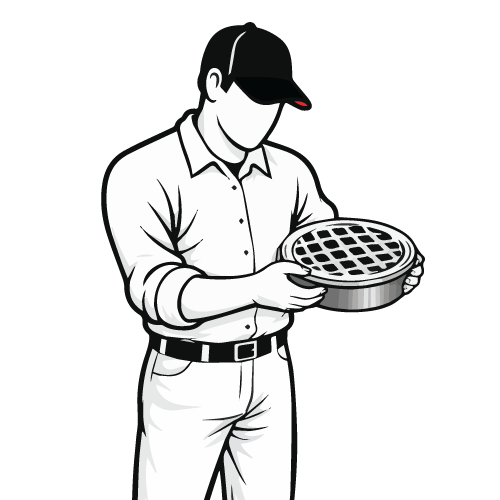
Drainage Design
Slope design is the heart of the project because it determines how effectively water will move across the floor. Getting the drainage plan right helps eliminate ponding, improve sanitation, and support longer floor life.

Slope Building
Building slope with mortar creates the actual pitch needed to guide water to drains instead of allowing it to sit on the surface. This step is critical for correcting flat or poorly draining areas in washdown and wet-process spaces.
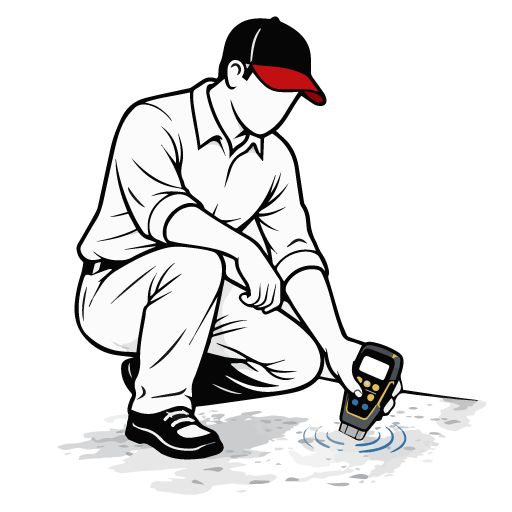
Water Testing
A water test confirms that the new slope performs the way it was intended in real conditions. It helps catch low spots or drainage issues before final coatings are completed and the floor is put back into service.

Primer Coat
The primer coat helps tie the prepared substrate and slope work into the coating system that follows. It improves adhesion and helps create a more consistent, reliable base for the finish layers.

Topcoat Application
Topcoat application adds the final protective surface over the completed slope system. It helps provide the desired cleanability, durability, and resistance needed for the specific environment.